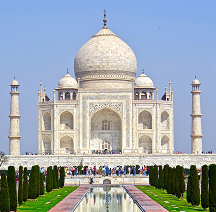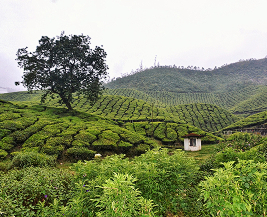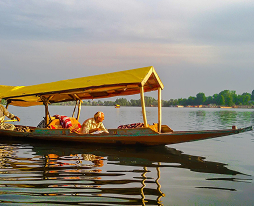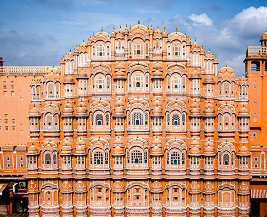


India is more than just an amalgamation of colours, cultures, and communities; it is a country you experience with all your senses. This India travel guide is designed to prepare you for that experience in a practical, informed, and confident way.
Yet beyond the movement and sound lies extraordinary warmth. The philosophy of Atithi Devo Bhava, “The guest is equivalent to God”, continues to shape how visitors are welcomed across the country. India’s diversity is reflected not only in religion and language but in architecture, cuisine, clothing, and customs.
Whether you are travelling for heritage, wildlife, adventure, cuisine, festivals, or spiritual discovery, this travel guide to India will help you navigate the essentials before arrival.
Asian Destinations presents this comprehensive guide to ensure every traveller is prepared to embrace the rhythm of India.
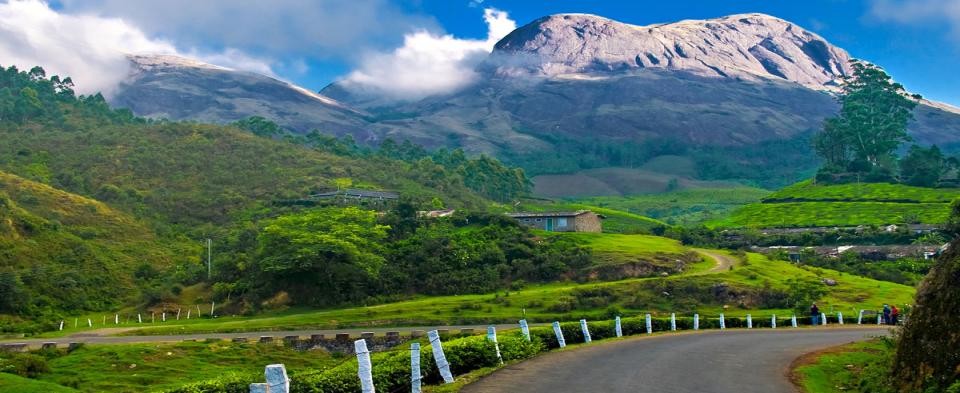
Discover the beauty of Kerala with this 9-day / 8-night tour covering Munnar, Thekkady, Alleppey,...
Explore More
Discover India’s rich birdlife and wildlife on this exciting 14-day / 13-night bird watchin...
Explore More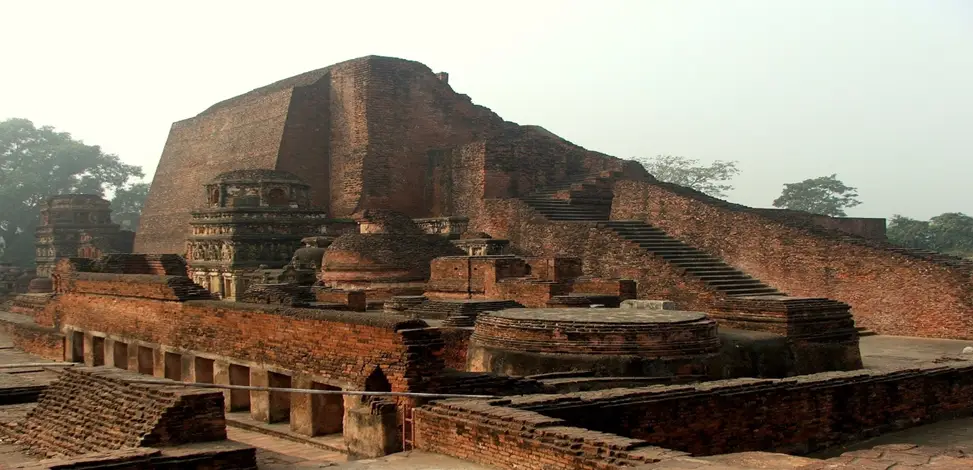
Discover the major Buddhist Pilgrimage places in India & Nepal like Bodhgaya (enlightenment),...
Explore MoreCapital: New Delhi
Largest City: Mumbai
Population: Approximately 1.353 billion
Currency: Indian Rupee (INR)
Time Zone: GMT +5:30
Calling Code: +91
Drives On: Left
Voltage: 230V, 50Hz (Plug types C, D, and M)
Emergency Number: 112
Tourist helpline: 1363
Main Languages: Hindi and English are widely used, though India has 22 officially recognised languages. English is commonly spoken in cities, tourism centres, and business environments.
Payment Methods- India uses the system of UPI, with apps like Google Pay, Paytm, PhonePay to name a few. Credit cards such as MasterCard, Visa, and American Express are widely accepted in hotels, malls, and restaurants in urban areas. ATMs are available in towns and cities for cash withdrawal.
The Indian rupee cannot be officially taken out of the country, so travellers are advised to exchange or spend any remaining currency before departure.
India is a year-round destination, but the best time to visit depends largely on the regions you plan to explore and the type of experience you are seeking. Due to its vast geographical diversity, from deserts and tropical coasts to high-altitude Himalayan landscapes, seasons vary dramatically across the country.
Winter (October to March)- For most destinations, October to March is the most comfortable time to visit India. Temperatures typically range between 10°C and 27°C in most major cities and cultural regions, making sightseeing pleasant and enjoyable.
Clear skies, lower humidity, and longer daylight hours create perfect conditions for exploring monuments, markets, palaces, forts, and heritage cities.
This is also peak tourism season, meaning popular monuments, cities, and festivals may be busier. Advance bookings for accommodation, domestic flights, and train journeys are strongly recommended.
Summer (April to June)- Summer in India can be intense, especially in the northern plains and desert regions. Cities in Rajasthan and parts of Central India can experience temperatures exceeding 40°C in May and June.
However, this is an excellent time to visit India’s hill stations and Himalayan regions, where temperatures remain pleasant.
Summer also opens many high-altitude trekking routes that remain inaccessible during winter due to snow. Ladakh, Spiti Valley, and other mountain regions are at their most accessible between May and September.
Travellers should avoid desert circuits during peak summer unless prepared for extreme heat.
Monsoon (July to September). July and August bring monsoon rains to many parts of the country. While heavy afternoon showers are common, they are often followed by cooler evenings and dramatic skies.
Though monsoon travel requires flexibility, it offers a different, more tranquil experience.
Kerala becomes particularly beautiful during the monsoon season, with lush greenery and rejuvenated backwaters. Many Ayurveda and wellness centres consider monsoon the most beneficial time for traditional treatments.
Outdoor sightseeing may occasionally be disrupted by rain, so itineraries should remain flexible.
Winter in the Himalayas- If your itinerary includes the Himalayas, seasonal timing becomes even more important.
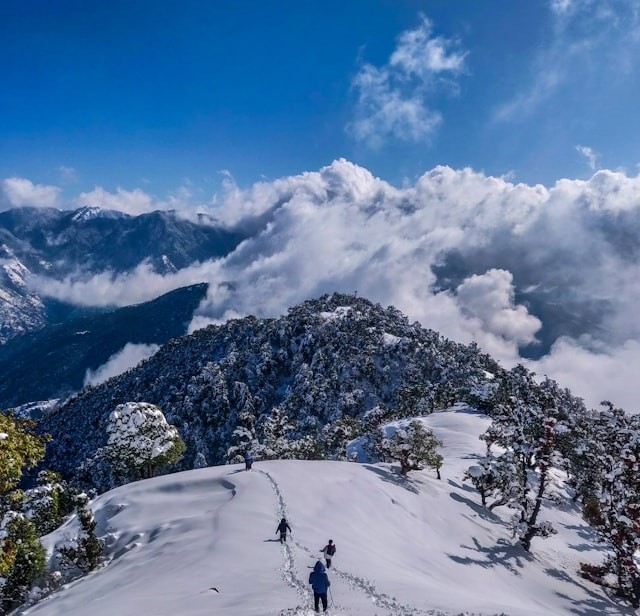
Regions such as Gulmarg and Ladakh transform into winter wonderlands between December and February. Snowfall creates opportunities for skiing, snowboarding, and unique experiences such as the Chadar Trek over the frozen Zanskar River.
However, access to certain high-altitude roads may be restricted during peak winter months.
India is well connected to the world through extensive international air routes from North America, Europe, Asia, the Middle East, and Australia. Most international travellers arrive through the country’s primary gateway cities, New Delhi and Mumbai, which handle the majority of long-haul international traffic.
Other important entry points include Bengaluru, Chennai, Kolkata, Hyderabad, and Kochi. These cities are equipped with modern international terminals, efficient immigration facilities, currency exchange services, and strong onward connectivity.
From these gateway cities, travellers can easily access every region of the country through domestic flights, railways, and road networks.
India’s domestic flight network is extensive and efficient. Major airlines operate frequent services linking metropolitan hubs with regional cities, tourist destinations, and remote areas. For long distances, flying is often the most time-saving option and is reasonably priced when booked in advance.
Indian Railways is one of the largest railway networks in the world, connecting metropolitan centres, heritage towns, pilgrimage sites, and rural landscapes across the country. Travelling by train is both practical and culturally immersive.
Options range from basic sleeper coaches to comfortable air-conditioned classes. Advance reservations are strongly recommended, particularly during the peak travel season from October to March.
For a more curated experience, India also offers luxury rail journeys such as the Palace on Wheels, which travels through Rajasthan’s historic cities, combining heritage exploration with royal-style hospitality.
Once in India, navigating cities is straightforward with multiple transport options available:
Metro Systems:
Cities such as Delhi, Mumbai, Bengaluru, Chennai, and Hyderabad operate modern metro networks. They are clean, efficient, affordable, and ideal for avoiding traffic congestion.
App-Based Taxis:
Ride-hailing services are widely available in major urban centres and provide convenient, transparent pricing.
Auto Rickshaws and Local Taxis:
For short distances, auto rickshaws are commonly used. It is advisable to agree on the fare beforehand or, where available, request the use of a meter.
While traffic conditions may initially feel busy and dynamic, travellers quickly adapt. With thoughtful planning and reliable transport options, moving around India is both manageable and accessible.
Understanding visa regulations is an essential step before planning your journey to India. Visa requirements vary depending on nationality and purpose of travel. Travellers are strongly advised to consult the official Government of India visa portal for the most accurate and updated information.
Many travellers are eligible to apply for an Indian eVisa for short-term tourism. Applications must be submitted online at least four days prior to arrival. It can be done through the official Government of India website:
https://indianvisaonline.gov.in/evisa/tvoa.html
Processing Time:
Applications are processed within 3 to 5 working days. Although the travellers are advised to apply at least one week in advance to avoid delays.
Important Points:
The eVisa is typically granted for tourism, short business visits, or medical travel, depending on the category selected.
An Appropriate Visa is Needed if You Plan to Stay Longer Than 60 Days or for Special Purposes
If you are going to stay for more than 60 days and your reason for coming to India is for study, research, work, journalism, missionary activities, or another special purpose. You will need to apply to the appropriate visa category through the nearest Indian embassy or consulate in your home country.
Processing an application may take varying amounts of time depending upon the country in which you are applying and what type of visa you are applying for. In many cases, you will be required to submit additional documents along with your application, such as an invitation letter, a letter of institutional approval, an employment contract, etc. It is important that you allow enough time to receive your visa before your scheduled departure from your home country.
Foreign Registration (FRRO): If you are in India on certain visas and have been in India for over 180 days, you must register with the Foreigners Regional Registration Office (FRRO) within 14 days of arrival.
Most of the time you can complete your registration process online through the official FRRO website. It is important to confirm whether you will be required to register before you arrive in India, as not all visa types require registration.
If you thoroughly review the visa requirements before submitting your application, you will have a pleasant travel experience and start your journey with confidence.
India’s calendar is filled with celebrations that reflect its spiritual, cultural, and artistic heritage.
Holi, celebrated in March, marks the arrival of spring. In northern cities such as Mathura and Vrindavan, colours fill the air as communities gather in joyful celebration.
Diwali, the Festival of Lights, takes place in October or November. The Kumbh Mela, recognised by UNESCO as Intangible Cultural Heritage, rotates among Prayagraj, Haridwar, Nashik, and Ujjain. Durga Puja in Kolkata combines elaborate artistic installations, ritual worship, and festive cuisine. The Hornbill Festival in Nagaland showcases tribal dances, food, and cultural performances each December.
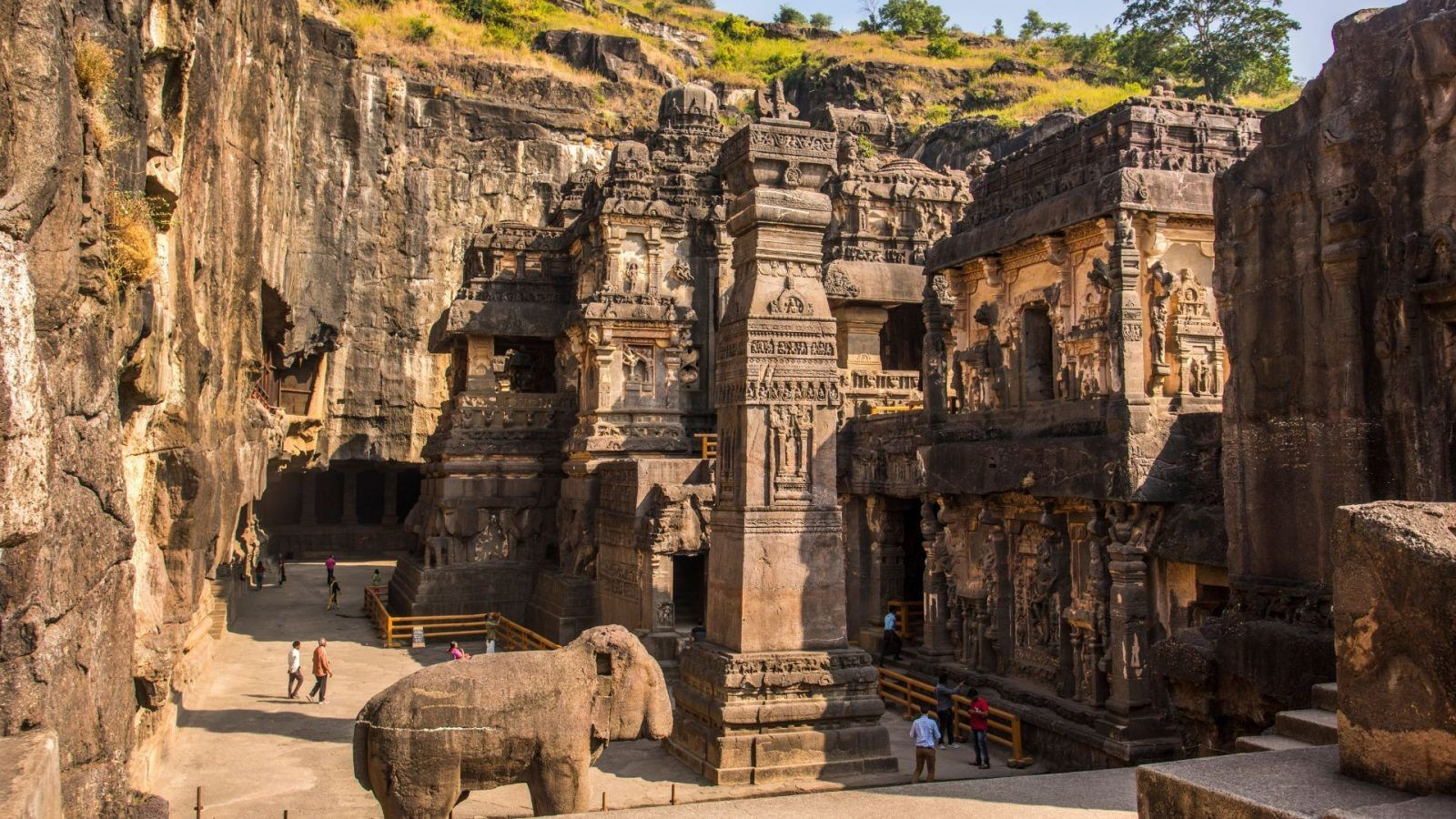
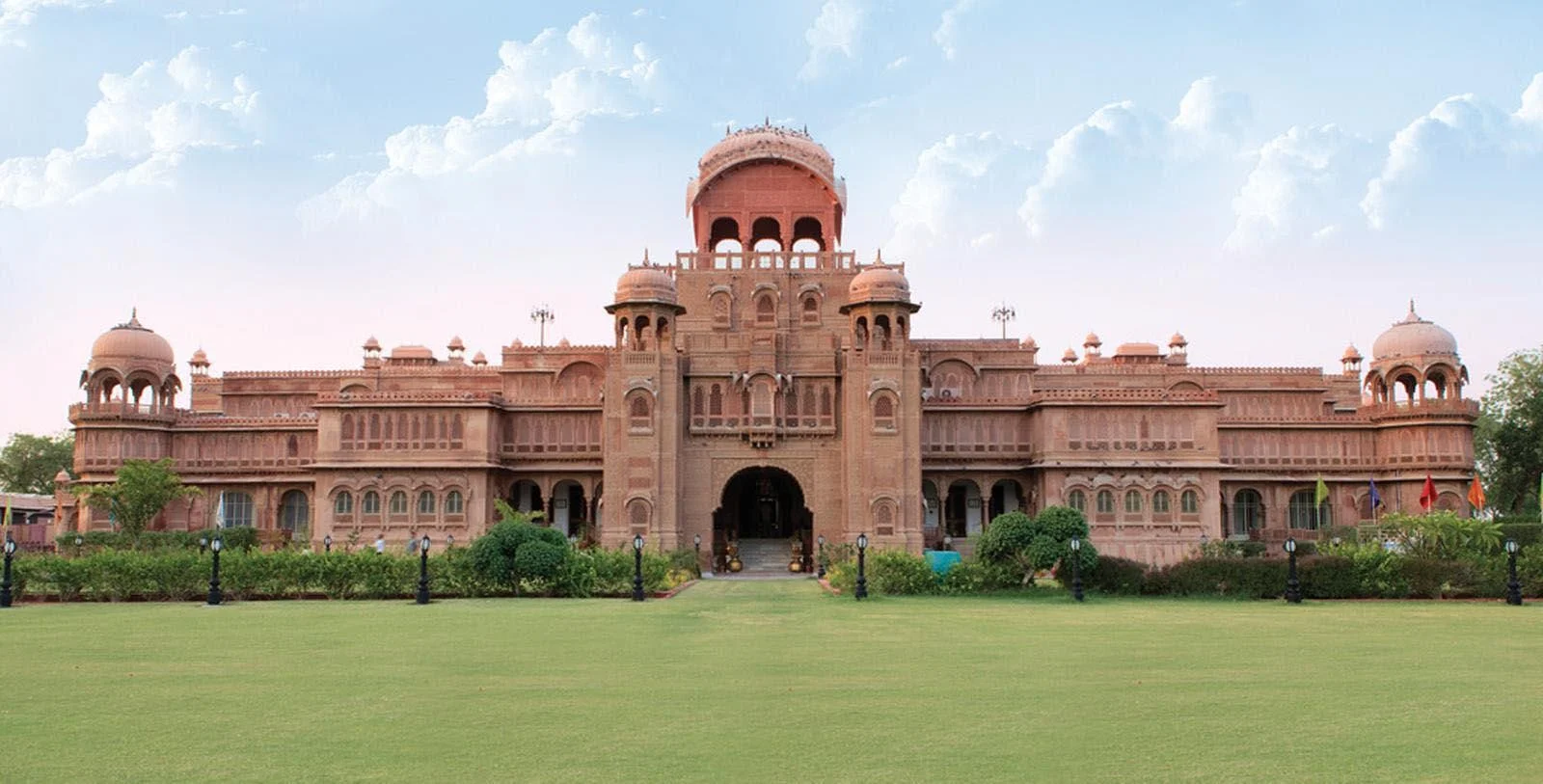
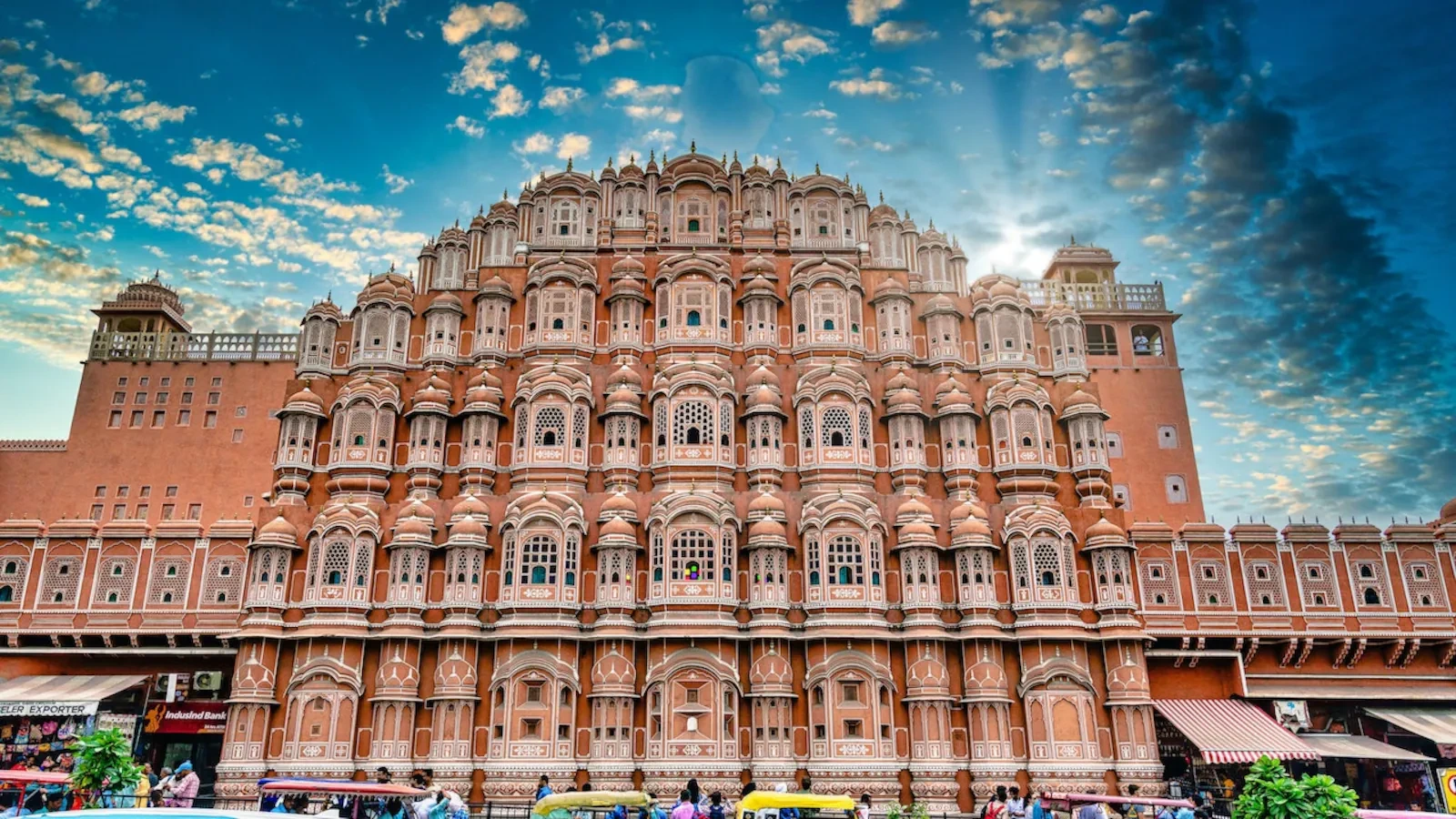
India's architectural heritage draws upon many different influences, including Ancient Kingdoms, Mughal Empires, British Colonialism and regionally based dynasties.
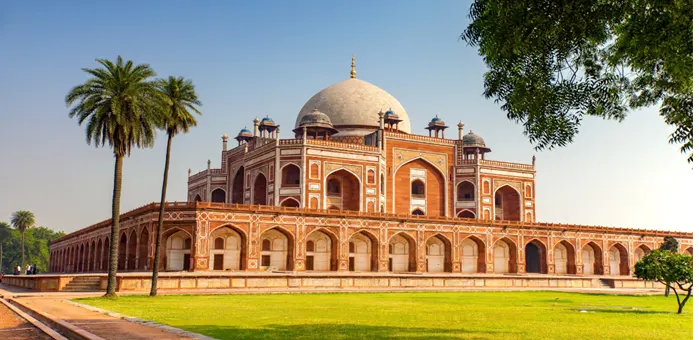
Humayun's Tomb, located in Delhi, is a UNESCO World Heritage site and the first example of Mughal Garden Tomb architecture. Red Fort (Delhi) and Jama Masjid (Delhi) embody Imperial grandeur.
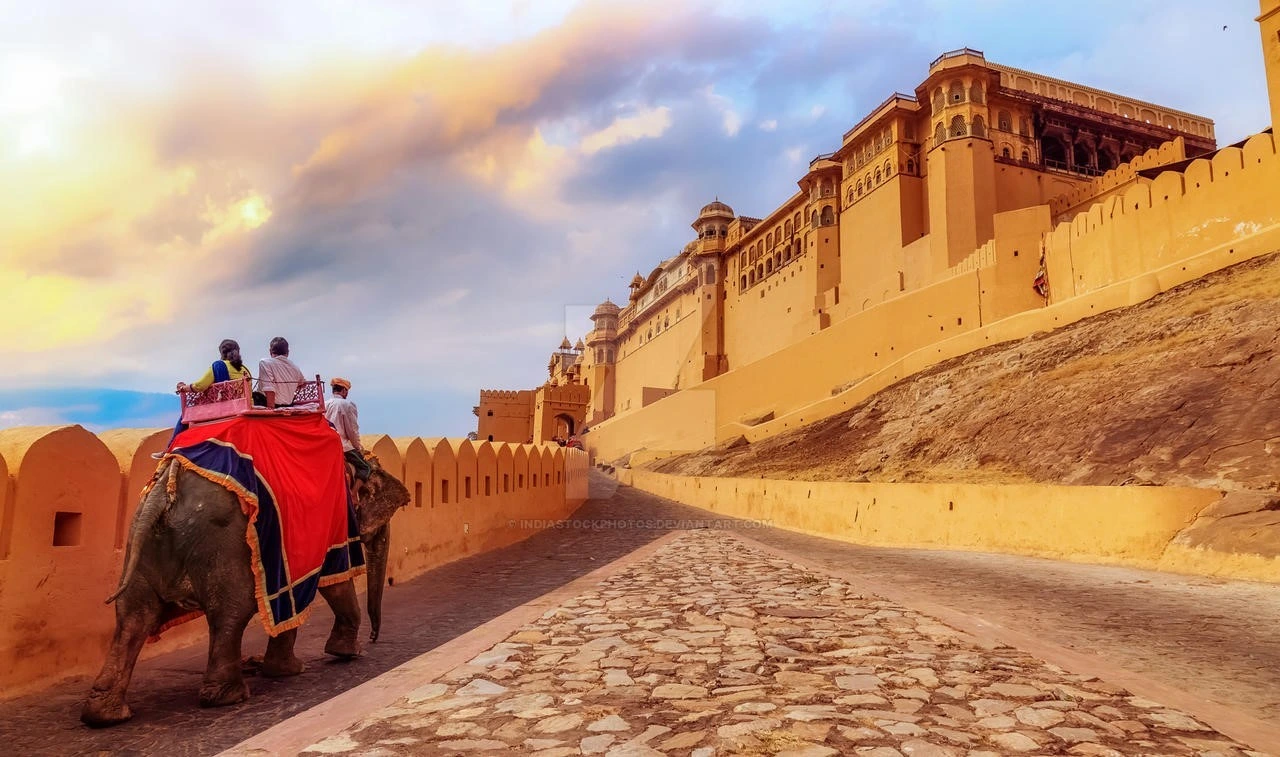
Mehrangarh Fort, located in Jodhpur, India, dramatically rises above a desert city and provides a glimpse into how the royals lived centuries ago through palaces spread throughout Rajasthan.
Hampi (Karnataka) contains the remains of the Vijayanagara Empire, while Sanchi (Madhya Pradesh) contains ancient Buddhist stupas and is one of the oldest surviving stone buildings in India.
The Church of St Francis Assisi (Goa) is an example of the combination of Portuguese-Manueline (Manueline style of architecture was popular in Portugal between 1495 and 1580) and Baroque style architecture.
India has a vast biodiversity. One area with spectacular biodiversity is Ranthambore National Park in the state of Rajasthan. This park is known for its tiger sightings near the site's ancient ruins. Another area is Gir National Park, located in Gujarat, which contains the last remaining natural habitat of the Asiatic Lion. Similarly, Periyar Tiger Reserve in Kerala, India, is an excellent example of protection for dense forests and the wetlands.
Gulmarg is known as one of Asia's premier ski destinations and has skiing facilities with elevations from 8,700 to 10,500 feet (2,640 to 3,200 meters).
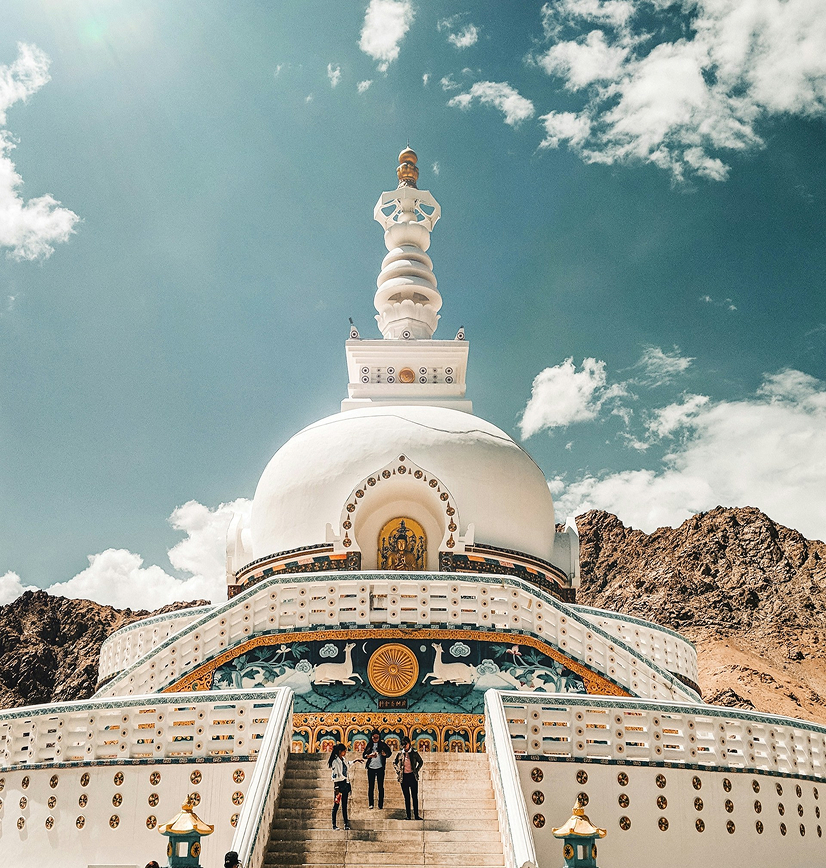
In addition to skiing, treks through the remote valleys of Ladakh offer opportunities to experience the area's unique, rugged terrain. For example, the Chadar Trek spans approximately 62 km across the frozen Zanskar River and has an altitude of approximately 11,000 feet (3,400 m).
Scuba diving is a great way to explore the marine ecosystem of the Andaman and Nicobar Islands.
Exploring India’s diverse landscapes while participating in outdoor activities, such as mountain biking in the Himalayas or surfing along the western coast, provides fantastic opportunities for adventure.
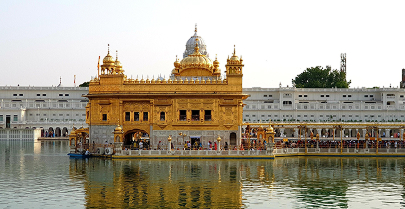
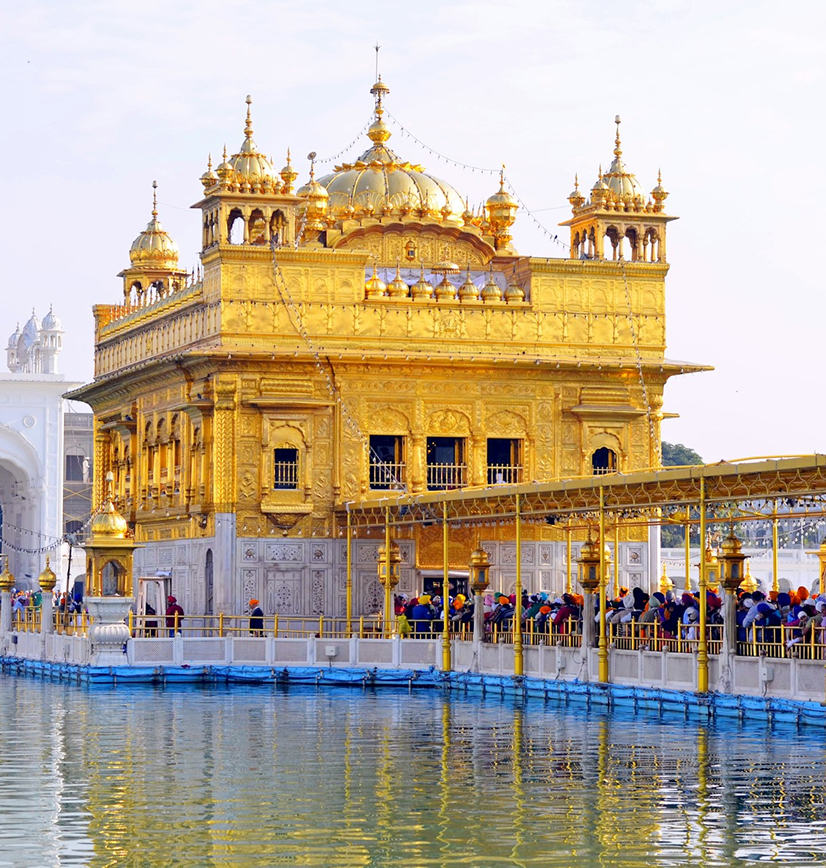
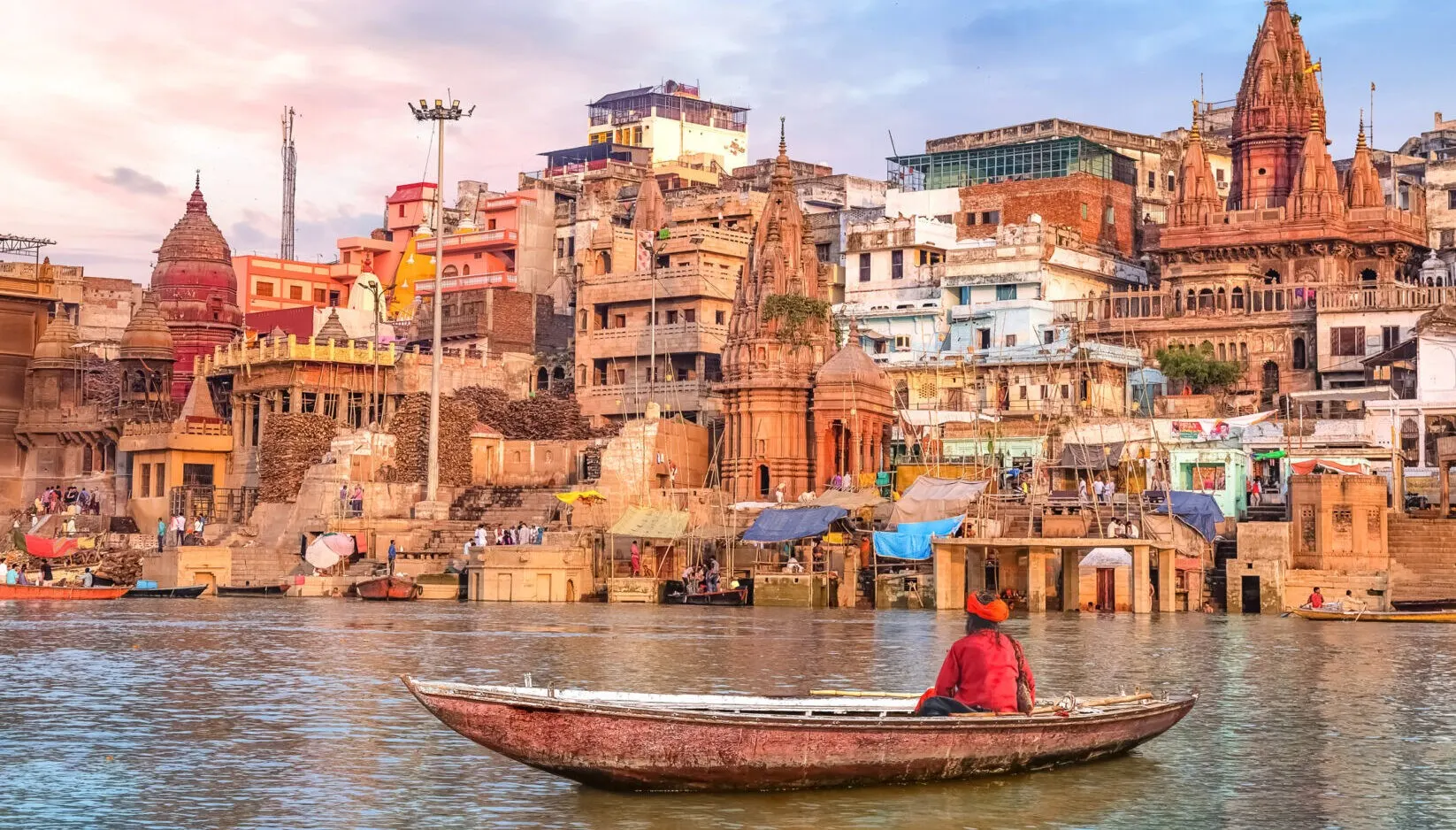
India is a country made up of many different regions. Among them is Varanasi, one of the world's oldest living cities, located along the banks of the River Ganges. The 88 Ghats along the shoreline host rituals and evening ceremonies called Ganga Arti, all of which have been carried out for centuries. The Char Dham pilgrimage route consists of Puri, Rameshwaram, Dwarka, and Badrinath. The Golden Temple, located in Amritsar, is the holiest site in Sikhism, with its dome covered in gold and a community kitchen that serves thousands upon thousands of meals every day.
Ajmer Sharif Dargah is dedicated to the Sufi saint Khawaja Moinuddin Chishti, and welcomes visitors of various faiths.
India's coastline runs along two seas, the Arabian Sea and the Bay of Bengal. Goa is well known for its beautiful beaches, a variety of water sports, and colonial heritage; however, there are many other places that can provide similar experiences (with an added sense of history). The Andaman and Nicobar Islands have coral reef-fringed shores with excellent scuba diving (visibility of up to 80 feet) at places like Cinque Island.
On the western coast of India lies Kerala, with its fishing villages, tranquil backwaters, and houseboats navigating palm-fringed canals.
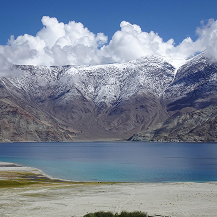
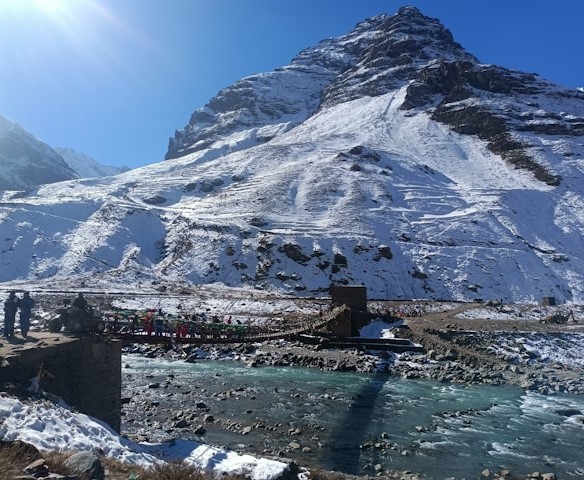
The Himalayas dominate northern India, with majestic snow-capped peaks and many high-altitude valleys. The popular trekking, climbing, and spiritual pilgrimage destinations of Manali, Dharamsala, Srinagar, Kedarnath, and Ladakh are located in the Himalayas.
The mountain tribes of India have preserved unique cultures, built monasteries, and preserved much of the biological diversity that thrives there.
India's hills and mountains are not simply convenient backdrops for your travels; rather, they are living landscapes with a rich cultural history and a legacy as sites for recreation and adventure.
While the country offers extraordinary diversity and unforgettable experiences, understanding a few practical details will help you travel with confidence and ease. This section brings together essential, on-ground information every traveller should know before arriving.
Staying connected in India is simple and affordable.
International travellers can purchase a local SIM card at airports or official telecom stores. You will need:
Data plans are inexpensive, and mobile internet coverage is strong in most urban areas. In remote mountain regions, connectivity may be limited.
India is generally safe for tourists, especially in well-travelled regions and major cities. However, basic precautions enhance your experience.
India’s cultural diversity is immense, but certain customs are widely respected across the country.
Understanding and honouring local customs enhances interactions and fosters meaningful cultural exchange.
The cuisines of India are heavily influenced by geography, climate, and culture. The distinct flavours of each area are shaped by the produce grown there and its traditions.
The northern part of India has many rich gravies and breads; for example, butter chicken and chhole bhature. The southern part of India has rice dishes like dosa, which are rich in spices. Seafood is fresh in coastal areas, while the desert region of Rajasthan uses preserved foods and strong spices in its cooking.
India has street foods like pani puri and vada pav for quick, tasty eating. There are sweet foods eaten at religious festivals.
A knowledgeable tour operator in India can provide travellers with authentic restaurant experiences in the regions they will visit, other than the food offered to tourists. Indian cuisine is part of India's heritage, represented on the plate.
India is a destination that stays with you long after your journey ends. For first-time travellers, it may feel vast, vibrant, and wonderfully overwhelming, but with thoughtful preparation and an open mind, it becomes deeply rewarding. Understanding the seasons, planning your visa in advance, choosing the right routes, and respecting local customs all contribute to a smoother and more enriching experience.
What makes India truly remarkable is its diversity. In a single journey, you can explore ancient forts and royal palaces, witness sacred rituals along the Ganges, trek through Himalayan landscapes, relax on tropical shores, and encounter wildlife in protected national parks. Languages, cuisines, architecture, and traditions shift from region to region, yet a common thread of warmth and hospitality connects the entire country.
Travelling here is not just about ticking landmarks off a list; it is about immersing yourself in living history, spiritual traditions, and everyday moments that reveal the soul of the country. Patience, cultural sensitivity, and curiosity will transform your trip into something far more meaningful than a standard holiday.
With careful planning and the guidance of experienced professionals such as Asian Destinations, navigating India’s complexity becomes effortless and enjoyable. A well-designed itinerary lets you comfortably and confidently embrace the country’s contrasts.
Approach India with respect, flexibility, and a sense of wonder. Travel mindfully, engage thoughtfully, and allow time for unexpected discoveries. In doing so, you will not simply visit India, you will experience it in a way that is authentic, memorable, and profoundly enriching.