
Destinations

Bhutan Travel Guide

Overview

Bhutan, the mystical Himalayan kingdom known as the “Land of the Thunder Dragon,” is one of the most unique and spiritually enriching destinations in the world. Nestled between India and China in the Eastern Himalayas, Bhutan is famous for its breathtaking landscapes, ancient Buddhist monasteries, vibrant festivals, and a philosophy that prioritizes Gross National Happiness over economic growth.

This Bhutan travel guide introduces travellers to a country where culture, nature, and spirituality exist in perfect harmony. Unlike many fast-paced destinations, Bhutan offers slow, meaningful travel experiences that allow visitors to immerse themselves in its traditions, landscapes, and communities.

More than 70% of Bhutan is covered by forests, making it one of the world’s most environmentally protected nations. It is also the first carbon-negative country in the world, meaning it absorbs more carbon dioxide than it produces. Towering mountains, pristine valleys, sacred monasteries, and centuries-old traditions create an atmosphere of tranquility rarely found elsewhere.

Travelling here is not just about sightseeing; it is about discovering a different way of life. From fluttering prayer flags over deep valleys to monks chanting in ancient temples, Bhutan invites travellers to slow down and reconnect with nature and themselves.

This Bhutan travel guide will help you understand the country’s culture, travel logistics, seasonal highlights, and must-visit destinations so that you can plan a meaningful and unforgettable journey into this Himalayan kingdom.

Bhutan at a Glance

  • Capital- Thimphu
  • Largest City- Thimphu
  • Population- Approximately 780,000 people
  • Currency- Bhutanese Ngultrum (BTN), which is pegged to the Indian Rupee (INR)
  • Time Zone- Bhutan Time (BTT) – GMT +6
  • Calling Code- +975
  • Emergency Number- 112
  • Tourist Helpline- Bhutan Tourism Council Assistance Line
  • Main Languages- Dzongkha (official language), English is widely used in tourism, along with regional dialects.
  • Payment Methods- Cash remains common, but hotels and major establishments accept credit cards such as Visa and Mastercard.

Best Time to Visit Bhutan

Bhutan is a year-round destination, but the experience changes dramatically with the seasons. Choosing the right season is an important part of planning your travel guide to Bhutan.

Winter (October to March)

Winter in Bhutan is crisp, clear, and beautiful. Temperatures drop in higher altitudes, but the skies remain bright, and the mountain views are spectacular.

This season is ideal for sightseeing in valleys such as Paro, Thimphu, and Punakha. Winter is also a wonderful time for birdwatching, as migratory birds arrive in Bhutan’s valleys.

Fewer tourists visit during winter, making it perfect for travellers seeking peaceful cultural exploration and photography.

Spring (March to May)

Spring is one of the most beautiful times to visit Bhutan. Valleys burst into colour with blooming rhododendrons, magnolias, and wildflowers, while forests become lush and vibrant.

This season is popular for trekking and nature exploration. The weather is mild and comfortable, offering clear views of the Himalayas.

Spring is also the time when many traditional festivals known as Tshechus take place across Bhutan. These festivals feature colourful masked dances, music, and spiritual rituals that reflect the country’s rich Buddhist heritage.

Summer and Monsoon (June to September)

The monsoon season brings lush greenery and fewer tourists. Rainfall is common, but landscapes become incredibly vibrant and alive.

While trekking may be challenging during this period, it is an excellent time for photography, cultural exploration, and enjoying Bhutan’s peaceful countryside.

Travellers interested in rural experiences, farming traditions, and nature will appreciate the beauty of Bhutan during the monsoon season.

How to Reach Bhutan

Reaching Bhutan is part of the adventure. Due to its mountainous geography and controlled tourism policy, travel to Bhutan is carefully managed.

International Connectivity

Bhutan has one international airport located in Paro, surrounded by dramatic Himalayan peaks. The main airlines flying to Bhutan include Druk Air and Bhutan Airlines, which connect Paro with cities such as Delhi, Kolkata, Kathmandu, Bangkok, and Singapore. 

Flights into Paro are considered among the most scenic in the world, offering stunning aerial views of Himalayan peaks.

Entry by Land

Travellers can also enter Bhutan via land from India through the Phuentsholing border, which connects to the Indian town of Jaigaon in West Bengal. Other land entry points include: Gelephu and Samdrup Jongkhar

These routes allow travellers to explore Bhutan by road and experience the gradual transition from Indian plains to Himalayan landscapes.

Getting Around Bhutan

Road travel is the primary means of commuting in Bhutan. Bhutan features many beautiful highways and byways that connect its cities and valleys. Traveling through the mountains, rivers, and forests of Bhutan is truly spectacular. The most popular modes of travel are:

  • Use of private vehicles via tour operators
  • Guided trips with driver services
  • Domestic airline service between major centers
  • Luxury helicopter services

Although traveling on the roads and through the mountains may slow your trip through Bhutan, your efforts will be rewarded with incredible views and countless chances to experience the vibrant culture of Bhutan!

Visa Guide

Bhutan has a unique tourism policy designed to protect its culture, environment, and heritage.
Visitors must arrange their travel through licensed Bhutanese tour operators or international travel partners.

Visa at a Glance

Most travellers require a visa before entering Bhutan. The visa is arranged through a registered Bhutan tour guide and operator once the trip is confirmed.

Sustainable Development Fee (SDF)

All visitors to Bhutan must pay a Sustainable Development Fee to support Bhutan's conservation, community, and infrastructure development programs. These fees help implement Bhutan's “High Value, Low Impact Tourism” policies.

eVisa Process

Usually, Bhutan tour guide and operators work with the Bhutanese government to complete the electronic visa application prior to arrival. In order to obtain an electronic visa, you will need to submit:

  • A passport valid for at least 6 months
  • A passport-sized photo
  • Your travel itinerary
  • Payment for the visa processing fee

Travelers will receive a letter confirming visa approval to enter Bhutan.

Best Places to Visit in Bhutan

Bhutan’s landscapes combine sacred monasteries, pristine forests, and Himalayan peaks. This Bhutan travel guide highlights some of the country’s most remarkable destinations.

Heritage and Historic Sites

Bhutan’s cultural heritage is deeply connected with Buddhism and royal traditions.

Paro Taktsang (Tiger’s Nest Monastery)

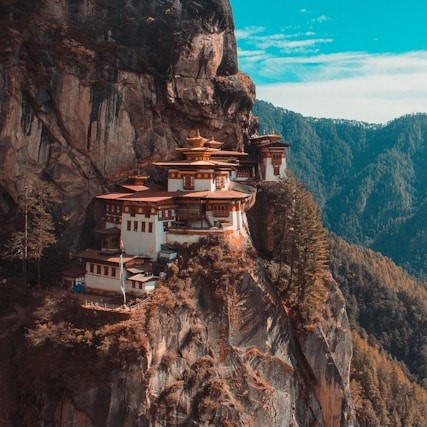
Perched dramatically on a cliff 900 meters above the Paro Valley, the Tiger’s Nest Monastery is Bhutan’s most iconic landmark.

Pilgrims and travellers hike through forests and mountain paths to reach this sacred monastery, believed to be where Guru Rinpoche meditated in the 8th century.

Punakha Dzong

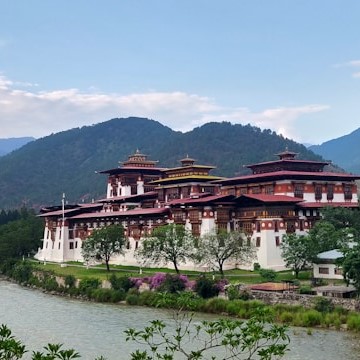
Often considered Bhutan’s most beautiful fortress monastery, Punakha Dzong stands at the confluence of the Pho Chhu and Mo Chhu rivers.

With its white walls, golden roofs, and intricate wood carvings, it is a masterpiece of Bhutanese architecture.

Trongsa Dzong

Strategically located in central Bhutan, Trongsa Dzong is the country's largest fortress and holds great historical significance for Bhutan’s monarchy.

Wildlife and Adventure

Bhutan is a biodiversity hotspot with rich wildlife habitats protected by national parks and conservation areas.

Jigme Dorji National Park

This vast protected area is home to rare species such as Snow leopards, Red pandas, Blue sheep, and Himalayan black bears. Trekkers and nature lovers visit this region to experience the untouched Himalayan wilderness.

Trans Bhutan Trail

The Trans Bhutan Trail is a historic 403-kilometre trekking route that connects villages, forests, and mountain passes across Bhutan. It offers travellers a chance to explore rural life, ancient temples, and spectacular landscapes.

Monasteries and Spiritual Sites

Bhutan’s spiritual heritage is visible in its temples, monasteries, and sacred mountain sites. Notable spiritual destinations include:

  • Tashichho Dzong in Thimphu
  • Gangtey Monastery in Phobjikha Valley
  • Kurjey Lhakhang in Bumthang

These sacred spaces offer visitors insight into Bhutan’s deep Buddhist traditions.

Valleys and Mountain Landscapes

Bhutan’s valleys are among the most picturesque regions in the Himalayas.

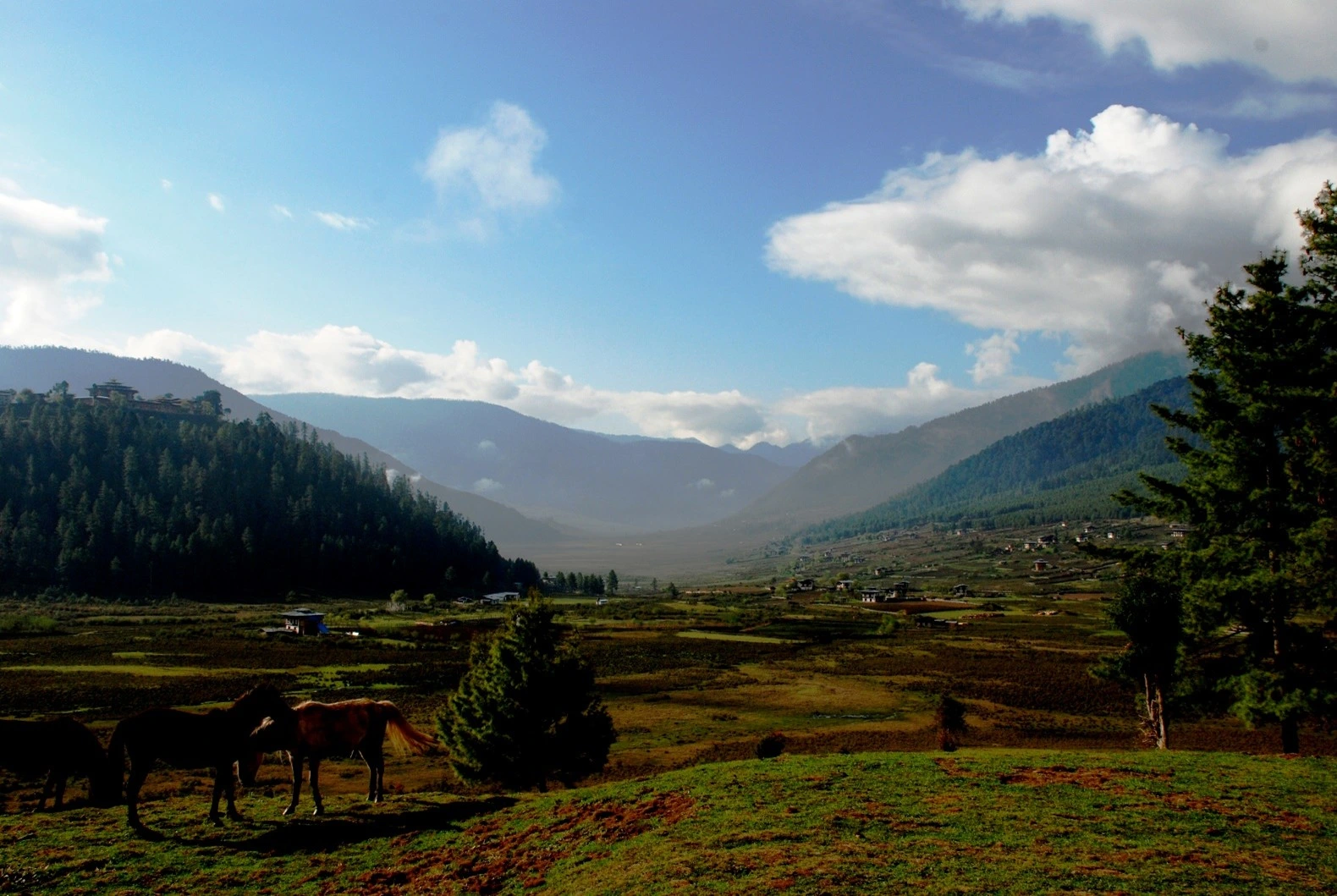
Phobjikha Valley: A glacial valley on the banks of the Wangdue Phodrang, this untouched place is a magical world. Nestled deep in the heart of the Himalayas, it is known for its beautiful landscapes and is home to one of nature's most endangered species, the black-necked crane. Open to any pleasant hike, this valley is also an opportunity to experience authentic rural life.

Bumthang Valley: The spiritual center of Bhutan. Wander around Bumthang to explore numerous monasteries and sites of religious significance.

Cultural Experiences in Bhutan

The culture of Bhutan is rich in the arts and spiritual traditions, and has existed in its current form for hundreds of years. Visitors can expect to find:

Traditional Festivals (Tshechus)

Festivals are celebrated across Bhutan throughout the year. Monks and locals perform masked dances, rituals, and music, representing Buddhist legends and teachings. These festivals provide rare insight into Bhutan’s living traditions.

Traditional Archery

Archery is Bhutan’s national sport. Competitions are lively social events with music, dancing, and community gatherings.

Hot-Stone Baths

A traditional Bhutanese wellness ritual involves soaking in mineral water heated with river stones. It is believed to relieve stress and muscle tension.

Food and Cuisine

The cuisine of Bhutan reflects the country's terrain. It mirrors the country’s mountainous environment and agricultural traditions. Some of the key ingredients include chillies, cheese, rice, buckwheat, and vegetables. Popular dishes include:

Ema Datshi – chillies and cheese stew (national dish)
Phaksha Paa – pork with chillies
Jasha Maru – spicy chicken stew
Red Rice – a staple grain grown in Bhutan

Butter tea and locally brewed rice wines are also common in Bhutanese households.

Practical Travel Information

Planning ahead is essential for a comfortable journey through Bhutan. Here are some tips for you to keep in mind. 

SIM Cards and Internet Access

Mobile connectivity is available in major cities and towns. Local telecom providers offer SIM cards with data packages for visitors and tourists alike. Hotels and cafes provide Internet access, though in remote regions the speeds may be slower in remote regions.

Cultural Etiquette

Bhutanese society values respect, modesty, and tradition. Visitors should make sure to follow basic etiquette to ensure smooth travel. Dress modestly at monasteries and make sure to remove shoes before entering temples.  Avoid touching sacred objects. 

Safety Tips for Travellers

Bhutan is one of the safest countries in the world for travellers. Basic Bhutan travel tips include:

  • Stay hydrated when travelling at high altitudes
  • Respect environmental guidelines
  • Follow guidance from your tour operator
  • Carry warm clothing for mountain weather

Travellers should also keep travel insurance and necessary medications during their trip.

Sustainable Tourism in Bhutan

Bhutan follows a unique tourism philosophy called “High Value, Low Impact Tourism.” Instead of mass tourism, Bhutan limits visitor numbers to protect its environment and culture. The Sustainable Development Fee helps fund the following aspects. 

  • Environmental conservation
  • Preservation of culture and history
  • Development of Infrastructure
  • Programmes for Community Welfare

This approach ensures tourism benefits local communities while safeguarding Bhutan’s natural heritage.

Conclusion

Bhutan is not just a destination; it is an experience that transforms the way travellers see the world. The experiences tourists experience in Bhutan are as diverse as each region's geography - from the surrounding dramatic cliffs and foliage surrounding the famous Tiger's Nest Monastery perched high above the Paro Valley to the beautiful, tranquil sprawl of the Phobjikha Valley. All such places represent a great opportunity to find blessed moments of contemplation, divine beauty, and cultural exploration.

Each section of this Bhutan travel guide contains the basic information essential to exploring Bhutan's diversity with both respect for and confidence in doing so. While trekking through the dense forests that comprise Bhutan’s majestic Himalayan Mountains, participating in many colourful festivals held throughout the country, or meditating inside an ancient monastery, you are guaranteed a once-in-a-lifetime experience.

After visiting this mountainous Himalayan kingdom, you'll leave with beautiful memories of an incredible and unique land by planning your visit carefully and utilizing the expertise of a trusted Bhutan tour Guide and operator, allowing you to experience all Bhutan has to offer while caring for it's people, culture, and environment.

Although quite small in land size, Bhutan leaves all of those that visit this nation with epic beauty, abundant wisdom, and a unique tradition that will stay with you for your entire lifetime.